
Whoa!
I remember the first time I tapped a tiny plastic card to my phone and saw my Bitcoin balance pop up.
It felt like sci-fi, but in a reassuringly low-key, hardware-store sort of way.
My gut said this could fix a usability problem that’s plagued hardware wallets for years.
Initially I thought it was just a novelty, but then I dug in and realized there’s solid engineering behind it.
Really?
Yes—card wallets like Tangem combine NFC convenience with a secure element that never exposes private keys.
That sentence is short and sweet, but the implications are longer and a bit thorny.
On one hand, you get near-instant access without cables or complicated firmware updates; on the other hand, you trade some of the traditional recovery patterns for physical, real-world processes.
Actually, wait—let me rephrase that: you keep strong cryptographic protection, but you shift responsibility toward physical backups and the processes around them.
Hmm…
The Tangem app makes tapping and signing straightforward.
You open the app, tap, sign a transaction, done.
This reduces the friction that makes many people leave crypto sitting on exchanges or in mobile wallets with keys online.
My instinct said: if more products were this simple, adoption would climb.
Okay, so check this out—
NFC card wallets are batteryless and compact.
They survive in pockets and wallets where a multi-button device would fail.
That matters if you travel or if you like minimal gear.
I’m biased, but that portability is a killer feature for everyday users.
Here’s the thing.
Security is not just about the chip.
It’s about the workflow: provisioning, using, and protecting backup copies.
Tangem cards generate keys inside a certified secure element so the private key never leaves hardware.
That’s standard for serious hardware wallets, though the card form factor changes the human part of the equation.
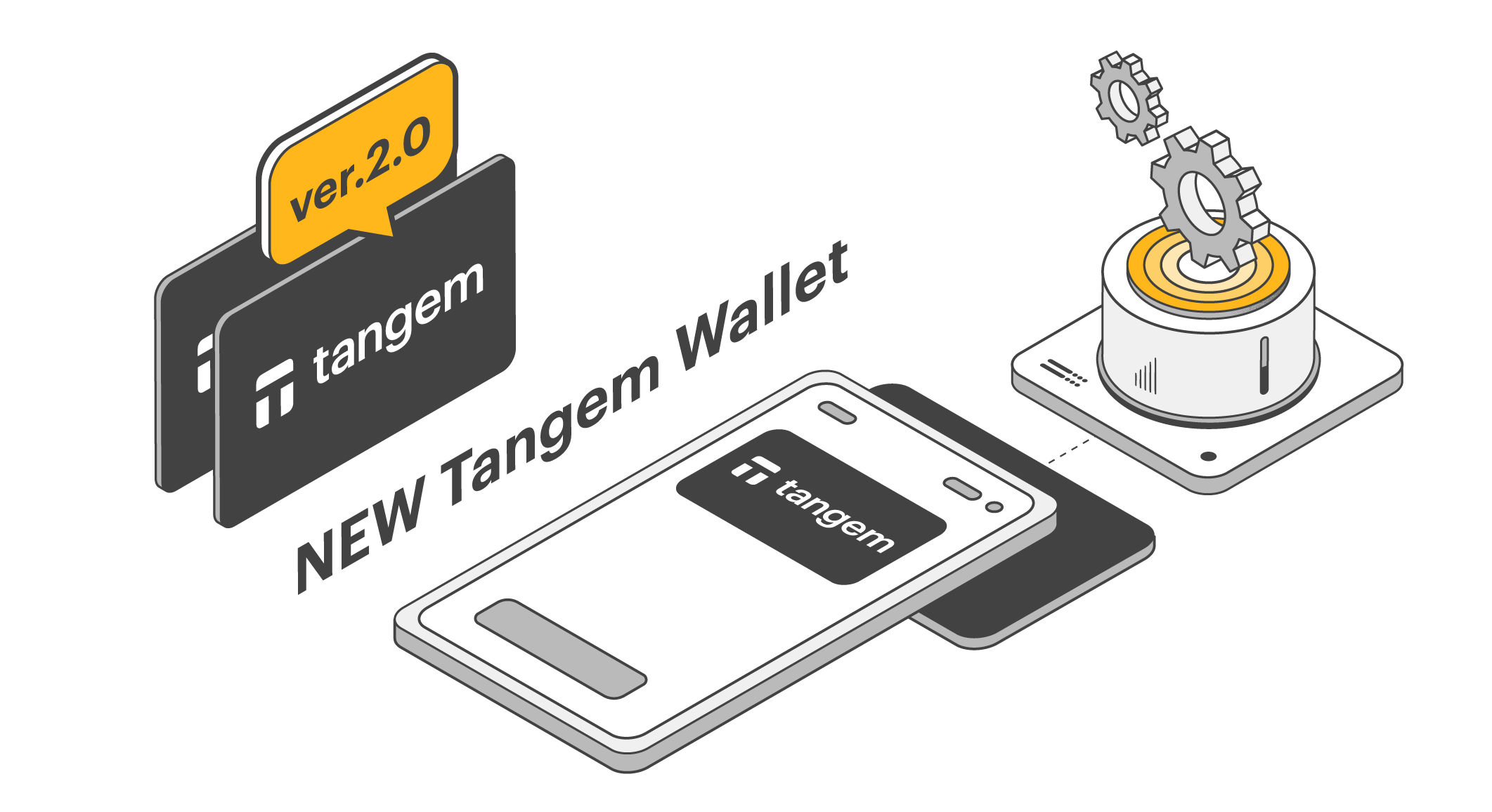
How the Tangem Wallet and App Fit Into Real Life
The Tangem app pairs with the card by NFC and offers a straightforward UI to view and sign transactions.
I’m not 100% sure about every single supported token list, but for many users, the app covers the major chains and tokens.
It’s that practical near-term coverage that often seals the deal.
If you want to read a straightforward resource about the card and app, check this out: https://sites.google.com/cryptowalletextensionus.com/tangem-wallet/
That link was helpful to me when I needed a starting point for setup details.
Something felt off about the first-generation card UI.
The app has improved since then.
The user flow for creating backups and issuing additional cards is easier now, though you still have to plan backups intentionally.
On one hand, issuing a duplicate card at setup is a neat physical backup; though actually, that backup is only as good as where you store the duplicate.
So yes, secure-element crypto meets real-world humans and their messy storage habits.
Wow!
People often ask: what happens if you lose the card?
The short answer: you need the backup or a reissue process depending on your setup.
Longer: some Tangem workflows allow provisioning multiple cards tied to the same key during issuance so you can keep a spare in a safe deposit box.
That approach avoids the headache of mnemonic phrases, but it does demand physical discipline and planning.
Honestly, that trade-off is why this model works for some folks and not others.
I’m candid about my limits here.
I don’t run the Tangem backend or manufacture the cards.
What I do know is this: the fewer places your private key is exposed, the smaller your attack surface.
That’s a simple risk model, and Tangem’s secure element aligns with it.
Still, security also depends on supply chain trust and where you buy your cards—buy from reputable sources.
Seriously?
Yes—buying from random vendors is a mistake.
Tamper risks and counterfeit hardware are real-world issues.
One of the reasons I trust the Tangem approach is the emphasis on certified secure elements and tamperevident packaging in official channels.
But again, check receipts and vendor reputation; somethin’ like a cheap knockoff will erode the entire security argument.
Here’s what bugs me about some reviews.
They focus only on convenience or only on security, never both.
In practice, you need to weigh usability and threat model together.
For example, a card wallet is excellent against remote attackers but less helpful if you’re in a scenario involving coercion or theft.
On the other hand, for people who want cold storage that they can actually use without a laptop, it’s a revelation.
Hmm…
There’s also the ecosystem angle.
Tangem and cards like it integrate with different wallets and services, though compatibility varies by region and token.
For traders who rely on many niche tokens, a multi-solution approach might still be necessary.
For people holding core assets and wanting a simple, durable key store, the card plus app combo hits the sweet spot.
FAQ
Can I back up my Tangem card?
Short answer: yes, but not with a mnemonic phrase in the usual sense.
During issuance you can provision additional cards tied to the same key, or follow the app’s specific backup options.
That means your backup is physical rather than a written seed phrase, which some people prefer and others find uncomfortable.
Is the Tangem app safe to use daily?
Daily use involves signing transactions via NFC, which is safe when the card’s secure element never releases the private key.
Your phone acts as a communicator, not a key holder.
So regular usage is convenient and keeps the private key insulated, though you should still keep your phone and cards secure.
Jili7ifelogin, huh? Not super familiar with them. Might be worth checking out their bonus offers before depositing. Just a friendly tip! See for yourself: jili7ifelogin
Jlbossgame. Never heard of it, boss! Is this a serious casino or some random thing? I would check carefully. See what they say their about: jlbossgame
Phdream44login… Never used it. See if they have a good welcome deal if you’re thinking about signing up. Good luck! Maybe check it out: phdream44login
Feeling lucky tonight! Saw the 777publink and had to check it out. Let’s hope the 7s are on my side! Fingers crossed! Link here: 777publink
Anyone know about this rr88h1 site? Saw it mentioned on a forum and I’m curious. Safe to play? Considering a spin… Discover it here: rr88h1
Yo! Heard about Casino Plus and their bonus promos? Gotta check it out, might just be my lucky day! They giving away freebies for real? Gonna peep this casino plus bonus myself!